The psychology of risk Understanding the mind behind casino decisions
The Nature of Risk in Gambling
Risk-taking is an intrinsic part of human nature and is particularly pronounced in gambling environments such as casinos. The thrill of uncertainty can be exhilarating, drawing individuals into a world where the potential for high rewards often overshadows the reality of losses. Understanding this dynamic helps illuminate why people are drawn to online casinos despite the inherent risks.
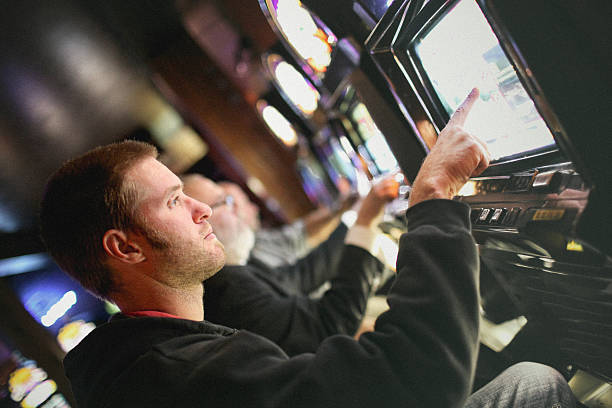
Cognitive biases play a significant role in how gamblers perceive risk. Many individuals suffer from the illusion of control, believing they can influence outcomes in games of chance. This misguided confidence can lead them to make decisions that defy logical reasoning, creating a cycle of risk-taking behavior that is difficult to break.
Emotional Influences on Gambling Decisions
The emotional landscape of a gambler can significantly influence their decision-making processes. Emotions such as excitement, fear, and anxiety can cloud judgment, leading to impulsive choices. For many, the adrenaline rush of a potential win can create an emotional high that reinforces continued play, making it challenging to step back and evaluate the situation rationally.
This emotional engagement is often exacerbated by the environment of a casino, which is designed to heighten sensory experiences. From bright lights to enticing sounds, these elements can amplify emotions and influence decisions, pulling players deeper into a cycle of gambling without fully acknowledging the risks involved.
The Role of Cognitive Dissonance
Cognitive dissonance occurs when individuals experience conflicting thoughts or beliefs, leading to mental discomfort. In the context of gambling, this can manifest when a player faces the reality of losses but still clings to the hope of future winnings. This dissonance can cause them to rationalize their continued play, often leading to riskier bets in the pursuit of recouping losses.
Understanding cognitive dissonance is crucial for recognizing patterns in gambling behavior. Players may convince themselves that past losses do not reflect future outcomes, creating a mindset that perpetuates risk-taking. Awareness of these mental traps can be the first step toward making more informed, responsible gambling decisions.
The Impact of Social Influences
Social dynamics can greatly influence gambling behavior. Players may be swayed by peers, feeling pressured to participate or take greater risks in group settings. This social validation can amplify risk-taking tendencies, especially in environments where high-stakes games are popular.
Moreover, the social aspect of gambling can create a sense of community that reinforces continued participation. Players often share stories of big wins, which can skew perceptions of odds and outcomes, prompting others to gamble with higher stakes than they might consider in isolation.

Exploring Responsible Gaming Tools
Understanding the psychology behind gambling can foster a healthier approach to gaming. Many online casinos and platforms now offer responsible gaming tools designed to assist players in managing their behavior. These tools can include features that limit spending, set time restrictions, and provide self-assessment questionnaires to gauge gambling habits.
Emphasizing responsible gaming is essential not only for the well-being of players but also for the integrity of the gambling industry. By promoting awareness of risk and offering support, casinos can help create a more sustainable gaming environment where players can enjoy the thrill of the game while being mindful of the risks involved.
Leave a Reply
You must be logged in to post a comment.